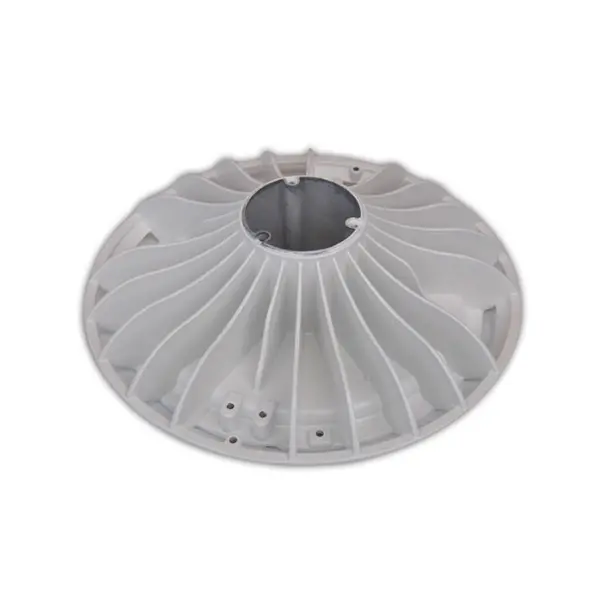
Custom ADC12 A380 Aluminum Alloy Die Casting Part
The flagship casting of the range — ADC12/A380 alloy part produced to customer drawing.
Home › Aluminum Die Casting
Our die casting division has produced custom aluminum parts since 2003 — high-pressure die castings in ADC12 and A380 that leave the factory polished, lacquer-coated, powder-coated or machined, ready to assemble.
| Process | High-pressure aluminum die casting |
|---|---|
| Alloys | ADC12, A380 (as evidenced across the product range) |
| Finishes evidenced | Polished & lacquer coating, powder coating, anodizing (via CNC/finishing lines) |
| In-house support | Mould design & mould making (division since 1996), CNC machining, CMM inspection |
| Equipment | Automatic die casting machines (factory equipment list) |
| Order policy | No fixed MOQ; small-batch trial production supported |
The flagship casting of the range — ADC12/A380 alloy part produced to customer drawing.
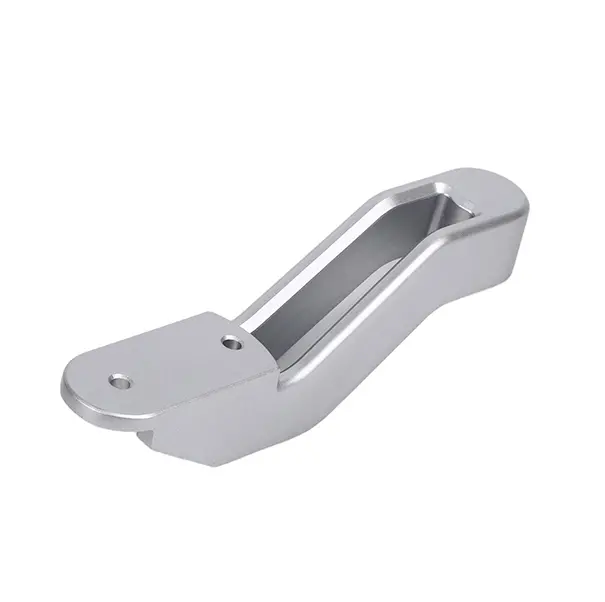
A380 casting supplied polished with a lacquer coating — cosmetic finish straight from one supplier.
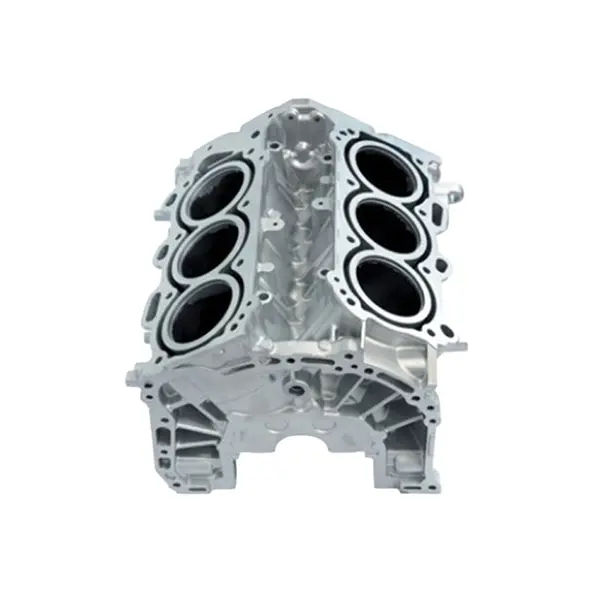
High-pressure die cast aluminum alloy parts for precision applications.
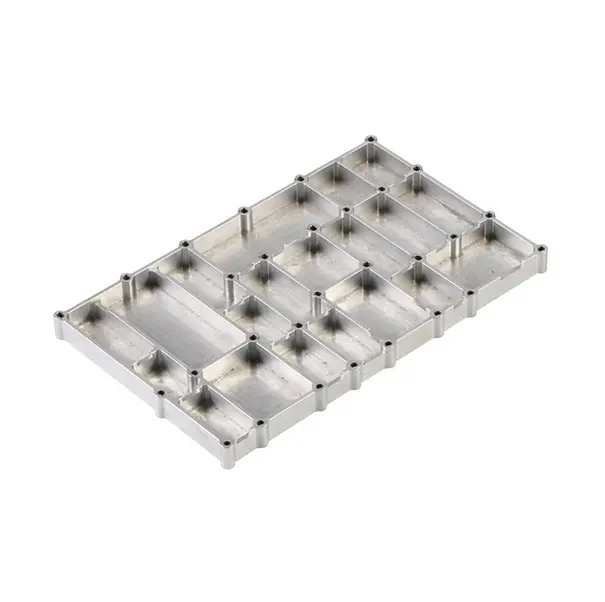
OEM aluminum die casting produced to the buyer's specification and branding requirements.
Fully custom aluminum die castings developed from drawing or sample.
Metal die casting parts in aluminum alloy for general industrial use.
Die casting at Runpeng starts with tooling, not with the casting machine. The mould division — part of the factory since 1996 — designs and builds the die, because die quality decides everything downstream: fill, porosity behaviour, ejection and the amount of CNC finishing a part needs afterwards. Castings are produced on automatic die casting machines, then trimmed, finished and inspected in the same plant, with a CMM coordinate measuring machine on the equipment list for dimensional verification.
Keeping the die shop and the casting shop together shortens the loop that matters most in custom work: the first-article correction. When a first sample shows a feature that needs die adjustment, the toolmakers who built the die adjust it — there is no freight, no queue at an outside tool shop, and no argument about whose tolerance went wrong.
Our aluminum casting range is built on two widely specified die casting alloys. ADC12 is the workhorse of the range — the grade named in the flagship product of the line — chosen by buyers for general-purpose housings and structural parts. A380 appears across the cosmetic end of the range, including the polished and lacquer-coated castings, where surface quality before finishing matters most. Both grades are named directly in the manufacturer's product titles, which is why this site only promises what the range itself evidences: if your drawing specifies ADC12 or A380, it matches production reality here.
If your part is specified in a different alloy, tell us at the drawing stage. The DFM review is the right moment to compare grades — alloy choice affects casting behaviour, finishing options and cost, and it is far cheaper to settle before tooling than after.
A die casting rarely ships raw. Across the range, castings leave with polished and lacquer coatings, powder coating, or machined-and-anodized surfaces, because the factory runs machining and finishing alongside casting. Specifying the finish at quotation stage matters: a part destined for powder coating is cast and handled differently from a part that will be polished, and the cheapest moment to protect cosmetic faces is before the first production run, not after inspection rejects them.
Programmes in this family share one production skeleton: die design and build in the in-house mould division, casting on automatic machines, then trimming, any CNC work the drawing calls for, finishing, and CMM-checked release. Two habits keep programmes healthy. First, freeze the cosmetic-face and critical-dimension lists at sampling — they drive handling and inspection for the life of the part, and changing them mid-programme re-opens settled questions. Second, treat the die as the asset it is: it is designed, built and maintained by the same team, and its condition is reviewed as production accumulates, which is how year three of a programme stays identical to the approved first article.
Buyers transferring an existing part to this factory should say so at enquiry. A part with existing tooling, a part needing new tooling, and a part being re-specified from a sample are three different projects with three different first steps, and the review will name which one you have before quoting anything.
Tell us the material grade, quantity and finish you need for your aluminum die casting parts. Our engineers review every drawing for die casting, machining or stamping feasibility before quoting — no obligation.
Send Drawings for a DFM Review